How do greenhouses help plants grow?
Glass lets sunlight in and keeps warm air from blowing away. Farmers open vents, add shade and water to keep plants just right.
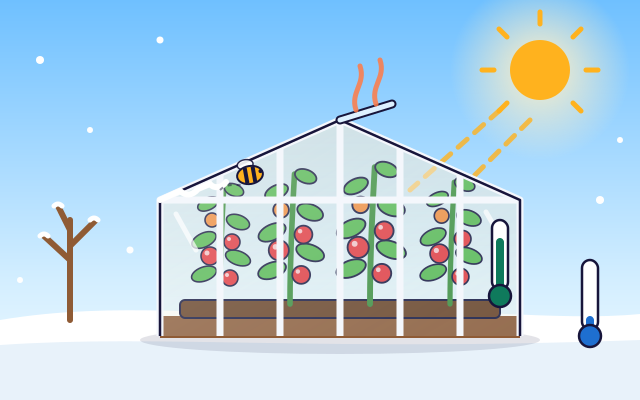
The big idea: Sunlight passes through the glass and warms the soil, plants and air inside. The glass stops that warm air from blowing away, so it stays warmer than outside. Growers open vents, pull shade cloth and water the plants to keep them healthy.
It's like
The interactive parts didn't load. The explanations below still work; try reloading the page.
How a greenhouse keeps plants growing
- Tomato plants love warmth. In early spring, cold air and frosty nights outside can stop them growing or even kill them.
- A greenhouse has clear walls and a clear roof of glass or plastic. Sunlight shines straight through, so the plants inside get the light they need.
- The sunlight warms the soil and plants, and they warm the air. Outside, wind would carry that warm air away, but the glass traps it, so inside gets much warmer.
- On a bright day a greenhouse can get far too hot. Roof vents open, so hot air rises out and cooler air flows in. Shade cloth can block some sunlight too.
- Thin tubes drip water right at each plant's roots. Plants pull water up and let some out through their leaves, which makes the air damp. Vents also let damp air out.
- Bumblebees live in many greenhouses and pollinate the flowers. With warmth, water and light just right, tomatoes ripen weeks or months earlier than outside.
Inside a greenhouse
Tap each part to see how it helps the plants. Some of them move!
- Glass walls and roof. The clear glass or plastic lets sunlight in and keeps wind out, so warmth builds up inside.
- Roof vents. These windows in the roof open when it gets too hot or too damp. Hot air rises and escapes.
- Shade screen. On very sunny days a shade cloth slides across to block some of the sunlight and keep the plants from overheating.
- Drip watering. Thin tubes run along the rows and drip water at the base of each plant, so little water is wasted.
- Heater. When there is no sun, like on cold nights, a heater warms the greenhouse so plants don't freeze.
- Sensors and computer. Sensors measure temperature, humidity, sunlight and soil water. A computer opens vents, waters and heats automatically.
- Bumblebee hive. There's no wind indoors to shake the flowers, so growers keep bumblebees. They buzz and shake pollen loose, so the flowers turn into tomatoes.
Greenhouse climate lab
Choose the weather, then try the vents and the shade. Watch the thermometer inside and outside. When is the plant happiest?
Experiment: On a sunny day, what happens inside the greenhouse when you open the vents wide?
- Choose a sunny day and close the vents. Compare inside and outside.
- Now open the vents wide. Watch the inside thermometer.
- Try the shade cloth too.
What we found: With the vents shut, the sun makes the greenhouse much warmer than outside, even too hot. Opening the vents lets hot air escape and cooler air in, so it cools down. Shade blocks some sunlight, so less heat comes in.
Turn on JavaScript to try it yourself.
Five days of weather
Grow tomatoes through 5 days of changing weather. Use the vents, shade, heater and water to keep the plant healthy. The healthier it stays, the more tomatoes you'll pick.
How a greenhouse stays warm
Sunlight carries energy. When it shines through the glass and hits the soil and leaves, they soak up the energy and warm up. Then they warm the air touching them. Have you noticed how a car parked in the sun gets hot inside? A greenhouse works the same way.
Outside, warm air rises and the wind blows it away, so heat doesn't build up much. In a greenhouse, the glass walls and roof stop the warm air from escaping. That's the main reason it gets warmer inside than outside.
Too much warmth is a problem too. On bright days, growers open vents in the roof. Hot air rises out of them, and cooler air comes in. Shade cloth blocks some sunlight on the hottest days. On cold nights, with no sun at all, heaters keep the plants from freezing.
Plants also need water. Their roots drink it, and their leaves let water vapor out into the air. That makes the greenhouse damp, and molds love damp air. So growers water carefully and open the vents to let damp air out. Many greenhouses use computers and sensors to do all of this automatically.
Key words
- Ventilation
- Swapping inside air for outside air, here through roof vents.
- Shade screen
- Cloth or film that blocks part of the sunlight to reduce heating.
- Transpiration
- Water vapor leaving a plant through tiny holes in its leaves.
- Humidity
- How much water vapor the air holds.
- Convection
- Heat carried away by moving air, like warm air rising.
- Pollination
- Moving pollen so a flower can make a fruit with seeds.
Check your thinking
-
Why is it warmer inside a greenhouse on a sunny day?
Show the answer
Sunlight warms things inside, and the glass stops warm air escaping. Sunlight warms the soil and plants; the glass keeps the warmed air from blowing away.
-
What happens when the roof vents open on a hot day?
Show the answer
Hot air rises out and cooler air comes in. Warm air is lighter, so it rises out of roof vents and cooler air flows in.
-
Why do tomato greenhouses keep bumblebees?
Show the answer
To pollinate the flowers. Bees move pollen so the flowers can turn into tomatoes.
-
Why is very damp air a problem in a greenhouse?
Show the answer
Molds and plant diseases spread. Molds love damp air, so growers let damp air out through the vents.
-
Why do greenhouses use drip watering?
Show the answer
It gives water right to the roots with little waste. Water goes straight where the plant needs it, so less is wasted.
You're a Food & farming expert!
You watched, looked inside, tried it, solved the challenge and went deeper. Pick another question below, or switch the age at the top to see this topic another way.
More about food & farming
 #30
Food & farming
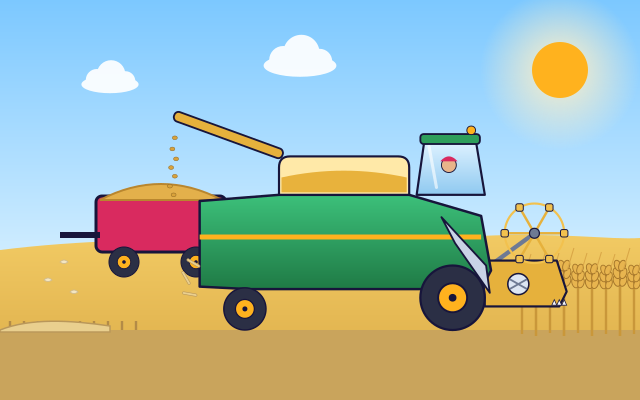
How does a combine harvester work?
Look inside the machine as it cuts a crop, separates grain, and stores it. Drive across a field and follow the material's journey.
#30
Food & farming
How does a combine harvester work?
Look inside the machine as it cuts a crop, separates grain, and stores it. Drive across a field and follow the material's journey.
 #276
Food & farming
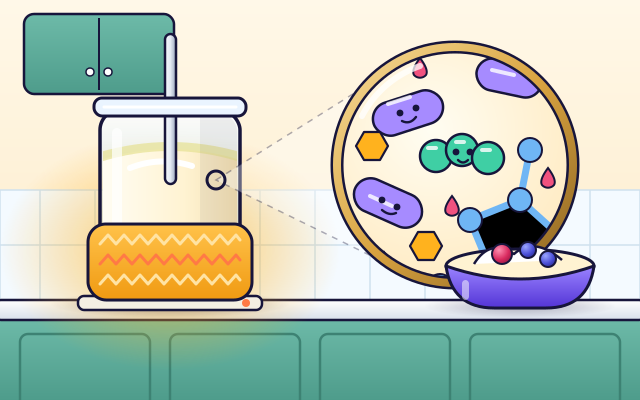
How is yogurt made?
Follow helpful bacteria changing milk and compare simulated fermentation conditions.
#276
Food & farming
How is yogurt made?
Follow helpful bacteria changing milk and compare simulated fermentation conditions.
 #277
Food & farming
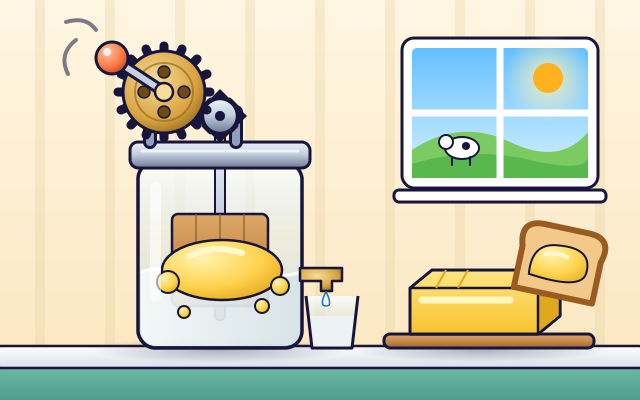
How is butter made?
Churn virtual cream and watch fat gather and separate from the remaining liquid.
#277
Food & farming
How is butter made?
Churn virtual cream and watch fat gather and separate from the remaining liquid.
 #278
Food & farming
How is tofu made?
Follow soybeans through soaking, grinding, heating, coagulation, and pressing.
#278
Food & farming
How is tofu made?
Follow soybeans through soaking, grinding, heating, coagulation, and pressing.
Keep exploring
Games to play next
- Garden AutomationProgram a garden robot with sensor rules — then watch a whole day play out.
- Label LabPut the right labels on beautiful science diagrams, from bean plants to heart chambers.
- Classification ExplorerSort living things by what you can see, then follow and build yes-or-no keys.
Guide for grown-ups
- How to start homeschooling: a step-by-step guide for familiesA guide for parents · 7 min read
Science games by grade
Science worksheets by grade
- Preschool Science Worksheets
- Pre-K Science Worksheets
- Kindergarten Science Worksheets
- 1st Grade Science Worksheets
- 2nd Grade Science Worksheets
- 3rd Grade Science Worksheets
- 4th Grade Science Worksheets
- 5th Grade Science Worksheets
- 6th Grade Science Worksheets
- 7th Grade Science Worksheets
- 8th Grade Science Worksheets