Try it at home with a grown-up
Science Experiments for Kids
Hands-on experiments with cups, water, paper and other things you already have, each with a version for little kids, for grades 1 to 5 and for grades 6 to 8.
Every experiment here comes from a How Things Work topic, so a child can try it at the kitchen table and then find out why it happens. Each one asks a question, such as which jar stays warm longest or which towel dries first, and children answer it by watching, measuring and comparing, the way scientists do.
Pick the version for the child's age. Little kids get short, hands-on tries; grades 1 to 5 make a fair test and compare results; grades 6 to 8 measure, record and graph. A grown-up stays for every experiment.
Safety first
- A grown-up stays with the child for every experiment.
- Use only the everyday materials the experiment names. Do not swap in cleaners, medicines or anything hot.
- Nothing here is to be eaten or drunk, even when it uses food.
- Use plastic cups, jars and bottles rather than glass.
- Grown-ups do any cutting, and keep small parts away from children under 3.
- Wash hands after touching soil, leaves or anything messy, and wipe up spills so no one slips.
Kitchen chemistry
Mixing, dissolving and changing everyday things from the kitchen.
-
Red cabbage color test
Grades 1–5
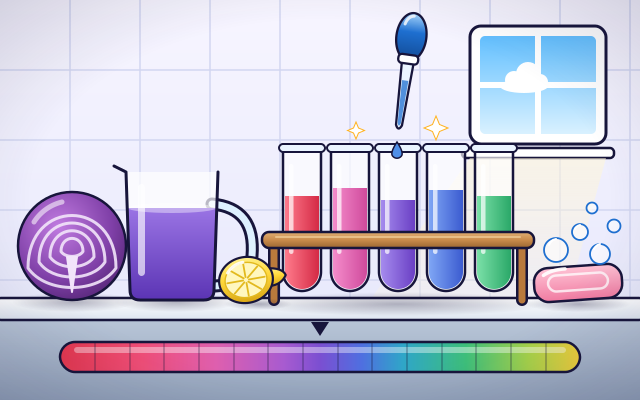
With a grown-up, make red cabbage juice by soaking chopped cabbage in warm water. Test safe kitchen samples in small cups: lemon juice, vinegar, baking soda in water, soapy water and tap water. Line the cups up from pinkest to greenest. Do not test cleaners and do not drink the tests.
Why it works: How do acids and bases behave? -
Salt on ice
Grades 1–5
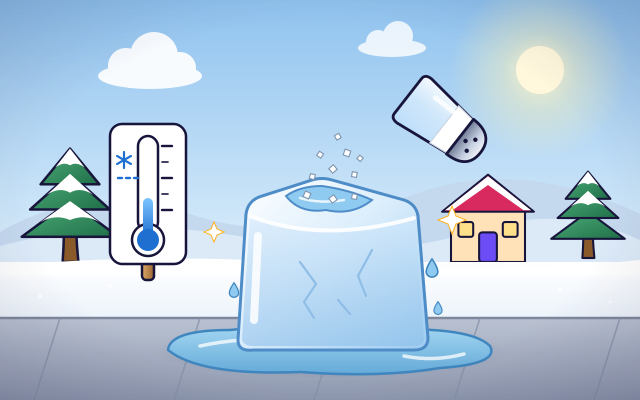
With a grown-up, put two ice cubes on two saucers. Sprinkle a teaspoon of salt on one. Time how long each takes to melt. Then try this trick: lay a wet string across an ice cube, sprinkle salt along it, wait a minute and lift the string.
Why it works: Why does salt change how ice melts? -
Oil and water race
Grades 1–5
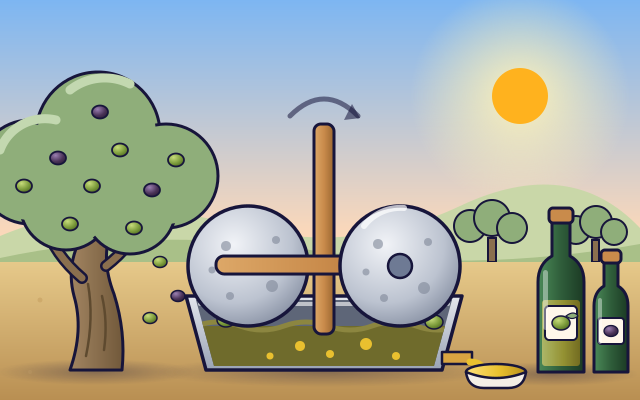
With a grown-up, half fill a clear bottle with water, add a few spoons of cooking oil and close the lid tightly. Shake hard and time how long the oil takes to float back into one layer. Why does it always end up on top?
Why it works: How is olive oil made? -
Make the smallest bubbles
Grades 1–5
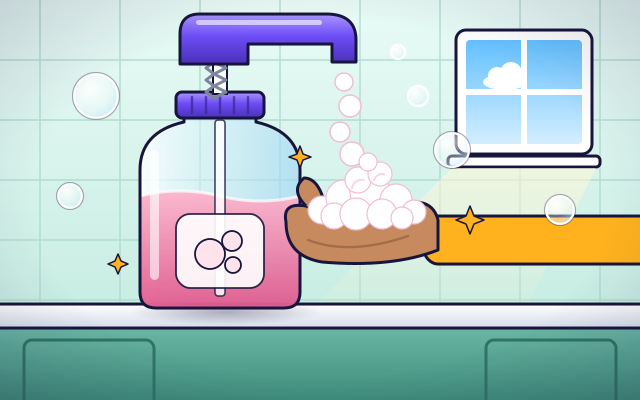
With a grown-up, put a little water and a drop of dish soap in two cups. Blow into one through a plain straw. For the other, wrap a piece of thin cloth over the end of the straw with a rubber band and blow again. Which makes smaller bubbles? Blow only, never sip.
Why it works: How do foaming soap dispensers make foam? -
Eggshell in vinegar
Grades 1–5
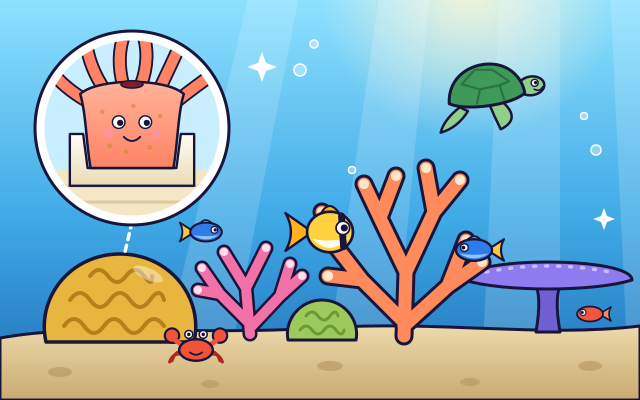
With a grown-up, put a piece of clean eggshell in a cup of vinegar and another piece in a cup of water. Eggshell is made of calcium carbonate, like coral skeleton. Check them the next day. The sour vinegar slowly dissolves the shell, which shows why corals need seawater that is not too acidic.
Why it works: How do coral reefs grow? -
The waterproof wax test
Grades 1–5
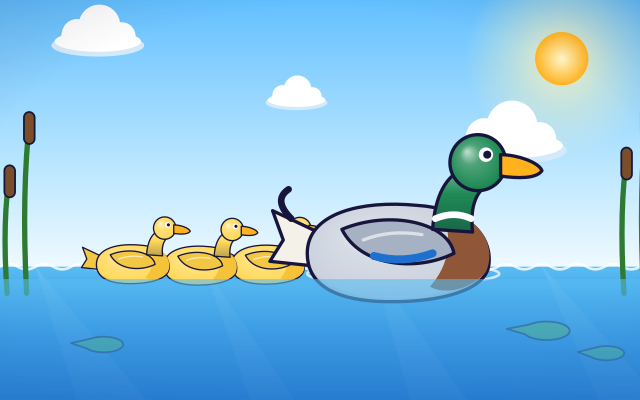
With a grown-up, cut two paper ducks from a brown paper bag. Color one all over with a wax crayon and leave the other plain. Drip water on both. Which one stays dry, like a preened duck? If you find a clean feather outside, stroke it to zip it, then wash your hands.
Why it works: How do ducks keep their feathers water-resistant? -
Banana ripening race
Grades 1–5
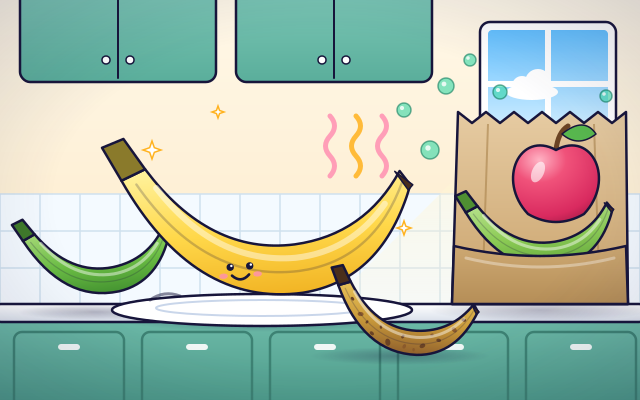
Ripening race: with a grown-up, put one green banana in a paper bag with a ripe apple and leave another on the counter. Check both every day and write down the color and how firm each feels. Which is ready first, and by how many days?
Why it works: How does fruit ripen? -
Sift the flour
Grades 1–5
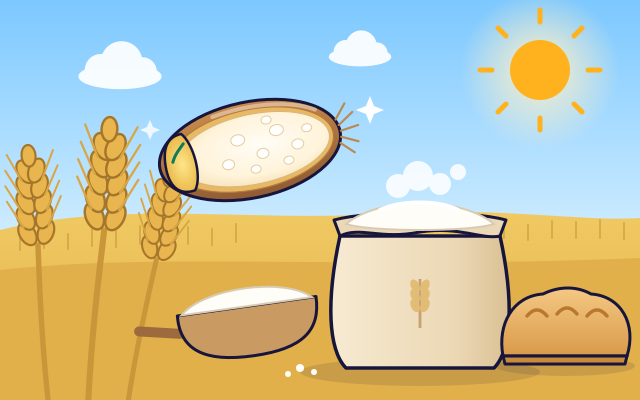
With a grown-up, put a spoonful of whole-wheat flour in a fine kitchen sieve over a dark plate and shake. What stays in the sieve? Compare it with white flour.
Why it works: How is flour made from wheat? -
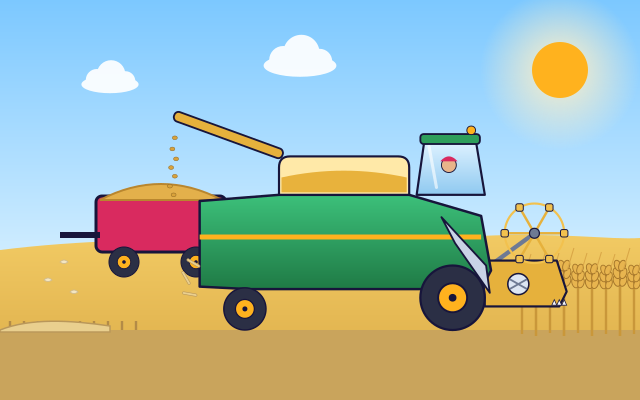
Winnow the grain
Grades 1–5
With a grown-up, mix dry rice or lentils with bits of paper or cereal crumbs on a tray. Fan it gently with a piece of cardboard, then a bit harder. Which pieces blow away first? That's winnowing!
Why it works: How does a combine harvester work?
Hot and cold
How warmth escapes, how to slow it down, and where water drops come from.
-
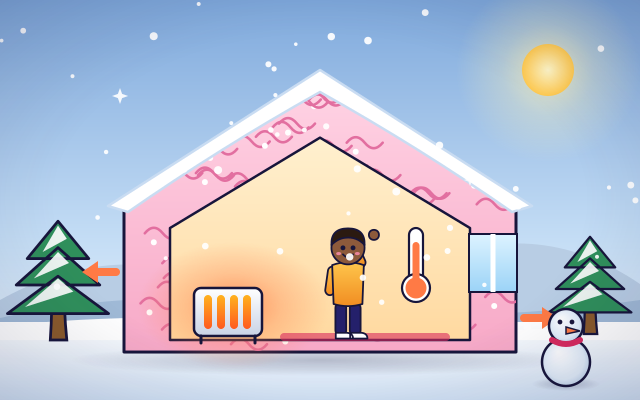
Keep it warm: the wrap test
Grades 1–5
With a grown-up, fill two identical jars with warm tap water (not hot). Wrap one in a towel or bubble wrap and leave the other bare. Measure both with a thermometer every ten minutes for an hour. Which cools more slowly?
Why it works: How does insulation slow heat loss? -
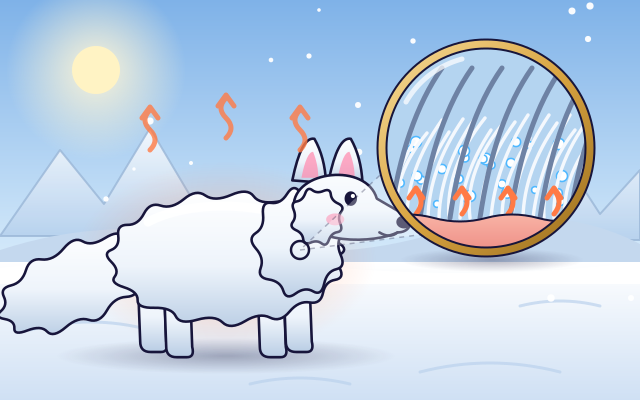
Dry coat, wet coat
Grades 1–5
With a grown-up, fill two same-size jars with warm tap water and close them. Wrap one in a dry, fluffy sock and one in a sock soaked in cold water. After 20 minutes, feel the water in each. Which coat kept the heat in better, and why?
Why it works: How does animal fur keep warmth in? -
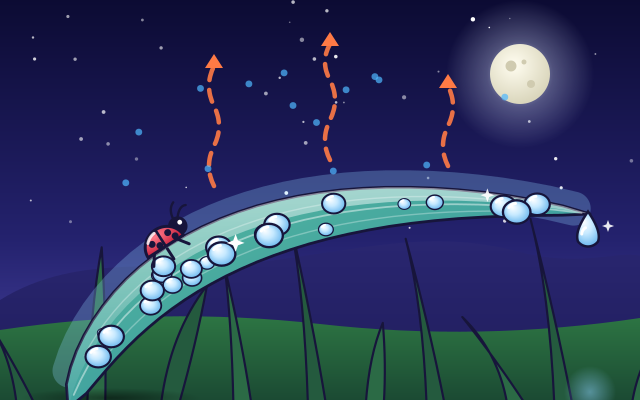
Make dew on a cold cup
Grades 1–5
With a grown-up, fill a shiny metal can or cup with ice and water and set it on a table. Watch drops form on the outside. Wipe one off and see whether more appear. Now try it in a steamy bathroom. Where do the drops grow faster, and why?
Why it works: How does dew appear on grass? -
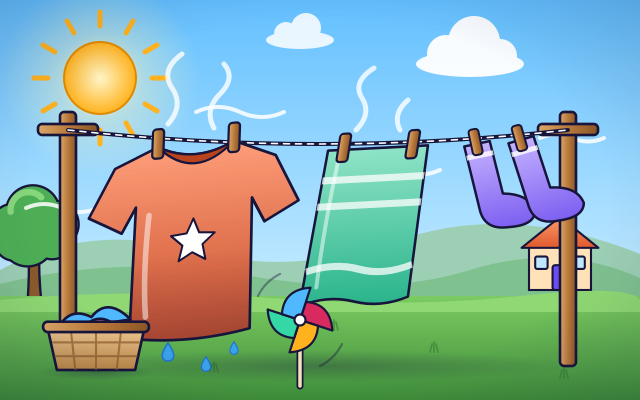
Which towel dries first?
Grades 1–5
With a grown-up, wet four identical paper towels. Hang one spread out indoors, one scrunched up, one outside in a breeze and one in a steamy bathroom. Check them every 15 minutes and write down the order in which they dry.
Why it works: How do wet clothes dry? -

Find the warm handprint
Grades 1–5
Press your hand flat on a cool wall or tabletop for one minute, then take it away and touch the spot with your other hand. Can you feel the warm print you left? How long before it fades? Try a wooden table and a metal tray. Which holds the print longer?
Why it works: How do thermal cameras show heat patterns?
Water, weather and Earth
Rivers, floods, waves and the ground under our feet, in a baking tray.
-
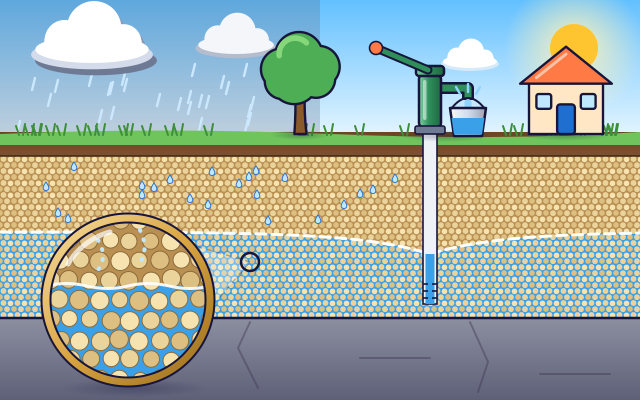
Gravel or sand: where does water go?
Grades 1–5
With a grown-up, fill one clear cup with gravel and one with sand. Pour the same amount of water into each. Which one does the water sink into faster? Can you see a 'water table' through the side?
Why it works: How do aquifers store groundwater? -
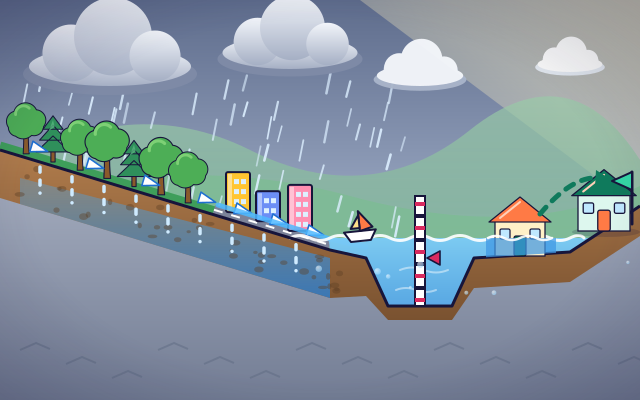
Towel hill, bare hill
Grades 1–5
With a grown-up, prop up two trays so they slope. Lay a towel on one and leave the other bare. Pour a cup of water slowly onto the top of each and catch what runs off in a bowl. Which tray sends more water to the bottom?
Why it works: How do floods develop? -
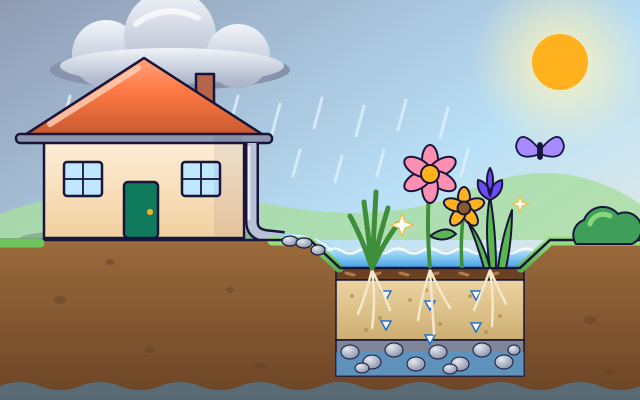
Sand or clay: which drains faster?
Grades 1–5
Ask a grown-up to poke a few holes in the bottoms of two paper cups. Fill one halfway with sand and the other with sticky, packed soil or clay. Hold each over a bowl, pour in the same amount of water and time how long it takes to drip through. Which would make the better rain garden?
Why it works: How do rain gardens reduce runoff? -
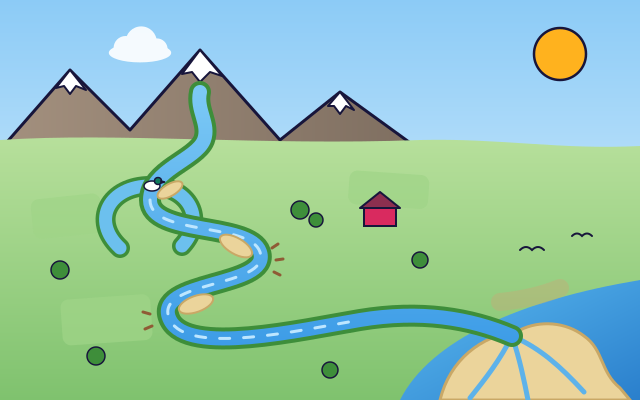
A river in a tray
Grades 1–5
Make a stream table with a grown-up: fill a baking tray with damp sand, prop up one end, and pour water slowly from a cup at the top. Try a steep slope and a gentle slope. Where does the sand end up?
Why it works: How do rivers shape the land? -
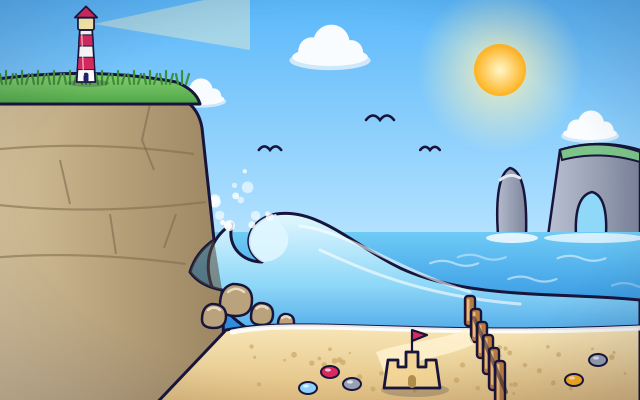
A beach in a baking tray
Grades 1–5
With a grown-up, pile damp sand at one end of a baking tray to make a beach, and add water to the other end. Push a ruler gently back and forth to make waves, first straight on, then at a slant. Mark one spot with a small pebble and watch which way the sand moves.
Why it works: How do waves change coastlines? -
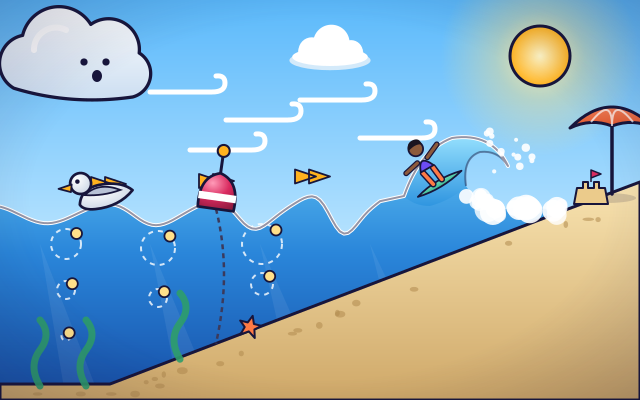
Waves from deep to shallow
Grades 1–5
With a grown-up, put a book under one end of a baking tray and add water so one end is deep and the other is very shallow. Gently push the water at the deep end with a ruler. What happens to the little waves as they reach the shallow end?
Why it works: How do ocean waves form and reach the shore? -
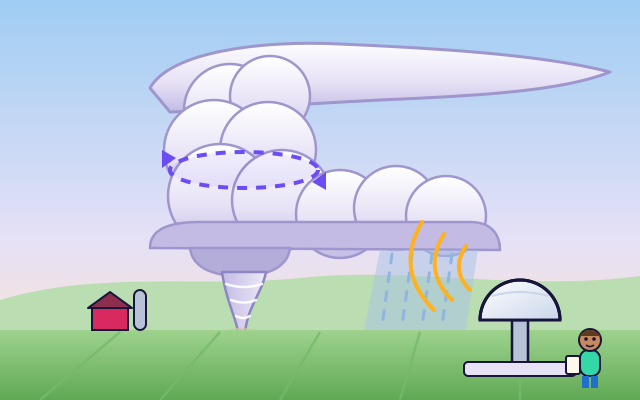
A whirlpool in a jar
Grades 1–5
With a grown-up, fill a clear jar about three quarters full of water, add a drop of dish soap and a pinch of glitter, and close it tightly. Swirl it in circles, then stop and watch the vortex. Make a family tornado safety plan together: where is your safe room?
Why it works: How do tornadoes form? -
Clear the muddy water
Grades 1–5
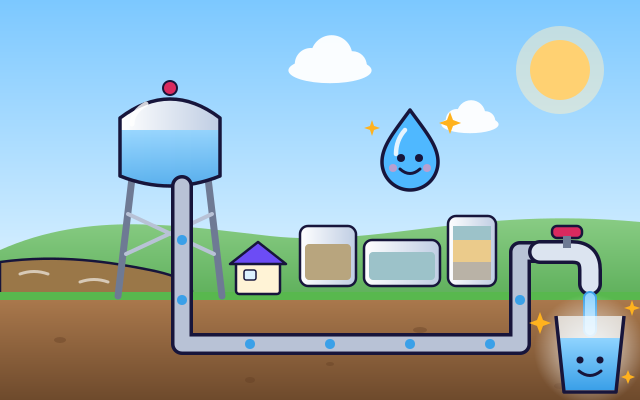
With a grown-up, make a model filter: ask the grown-up to cut the bottom off a plastic bottle, turn it upside down, and layer a coffee filter, sand and small gravel. Pour muddy water through and compare. It looks clearer, but it is NOT safe to drink, because germs can still be there.
Why it works: How does clean water reach our taps? -
Where does the spring come out?
Grades 1–5
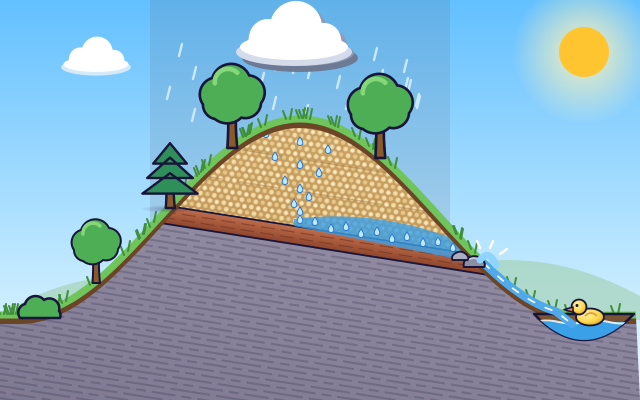
With a grown-up, fill a clear plastic box with sand over a sheet of plastic or modeling clay that is tilted to one side. Sprinkle water on top like rain. Watch through the side: where does the water collect, and where would it come out?
Why it works: How do natural springs bring water to the surface?
Forces and simple machines
Pushes, pulls, levers, wedges and things that swing, bounce and float.
-
Make water climb with a straw
Grades 1–5
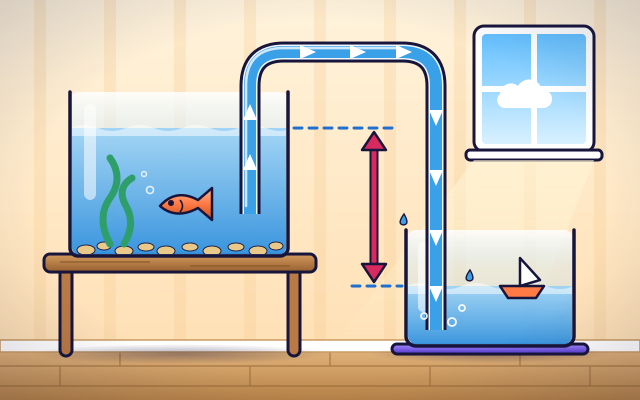
With a grown-up, put a full cup on a box and an empty cup beside the box. Fill a bendy straw or a short clear tube with water, hold both ends shut, put one end in each cup and let go. What happens when you lift the lower cup?
Why it works: How does a siphon move water between containers? -
The straw that holds water
Grades 1–5
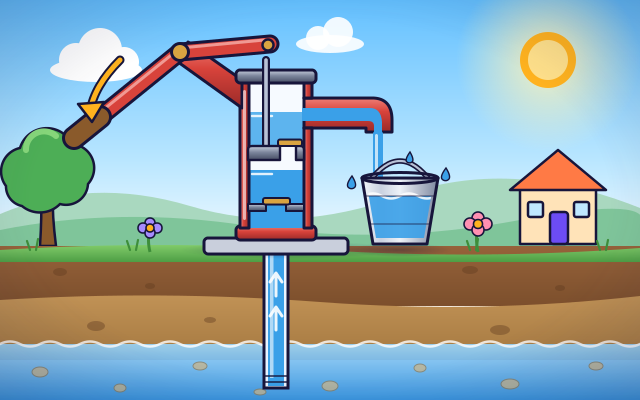
Push the plunger of a clean, empty soap pump bottle while the tube is in a bowl of water. Count the pushes before water comes out. Why does it take a few? Where could the two one-way valves be?
Why it works: How does a hand pump raise water? -
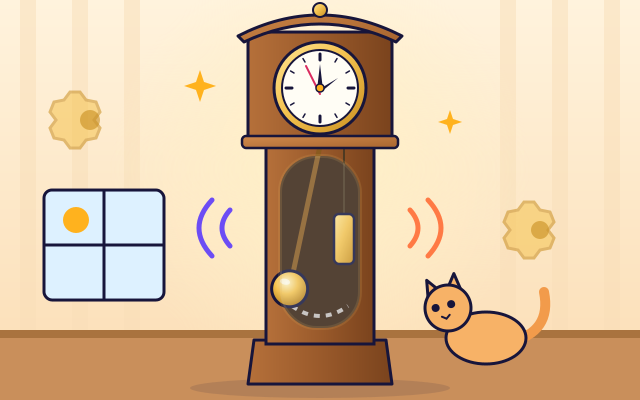
Long swing, short swing
Grades 1–5
With a grown-up, tie a washer or a small toy to a string. Count how many swings it makes in 15 seconds with a long string and with a short string. Then add a second washer. Does the count change?
Why it works: How does a pendulum clock keep time? -
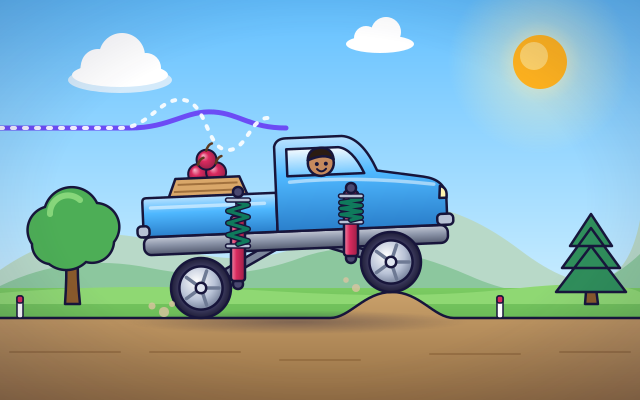
Bounce in water
Grades 1–5
With a grown-up, hang a small toy from a rubber band and let it bob in the air. Count the bobs. Now let the toy bob in a tall jug of water. How many bobs this time? Where did the bounce go?
Why it works: How do shock absorbers reduce bouncing? -
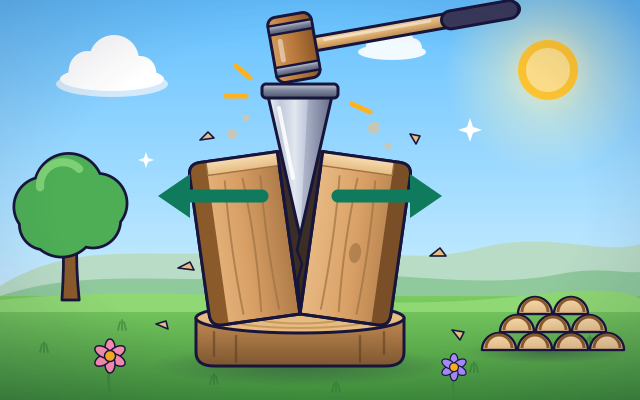
Thin wedge, fat wedge
Grades 1–5
Ask a grown-up to help you cut two wedges from thick cardboard: one long and thin, one short and fat. Put two heavy books side by side on a table and push each wedge between them. Which is easier to push? Which moves the books apart faster?
Why it works: How do wedges split or separate materials? -
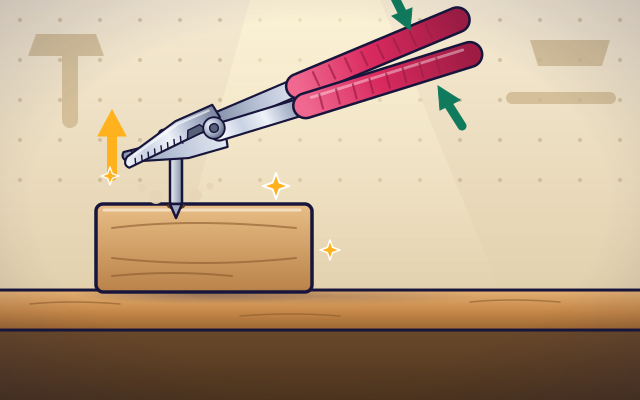
Squeeze near the hinge
Grades 1–5
With a grown-up, use kitchen tongs to squeeze a ball of play dough. Hold the tongs near the ends, then near the hinge, and compare the dents. Which way squeezes harder?
Why it works: How do pliers grip objects firmly? -
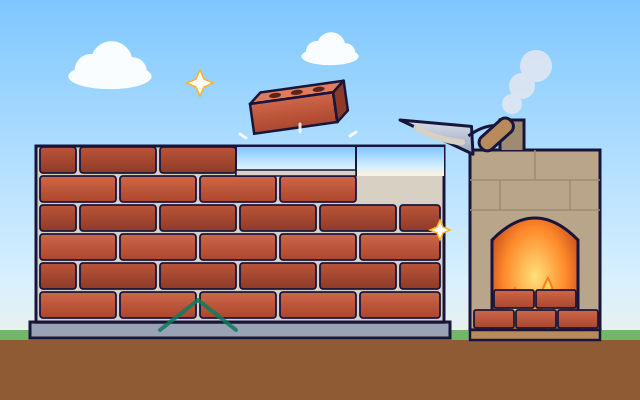
Which wall is stronger?
Grades 1–5
With a grown-up, build two small walls from sugar cubes or toy bricks: one stacked in straight piles and one overlapping. Press down on one top brick with a finger. Which wall splits apart?
Why it works: How are bricks made? -
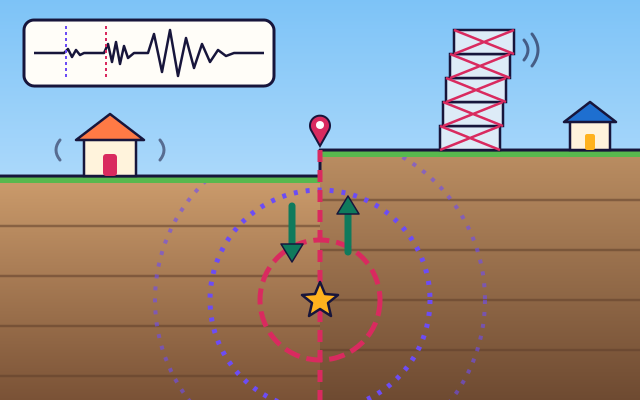
Shake the towers
Grades 1–5
With a grown-up, build two towers from paper cups or blocks on a tray. Brace one with tape in an X shape. Shake the tray gently from side to side. Which tower lasts longer? Then practice drop, cover and hold on.
Why it works: How do earthquakes happen? -
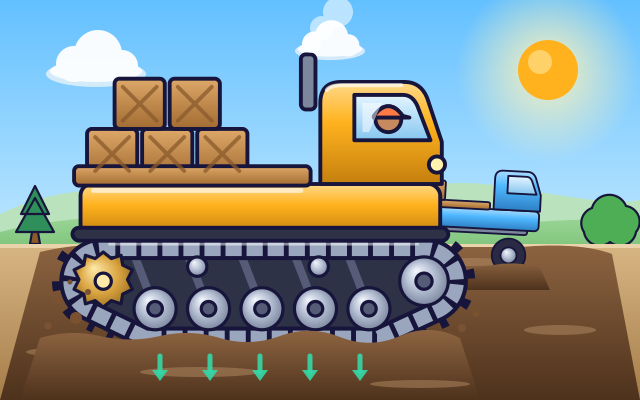
Spread the weight
Grades 1–5
Fill a tray with flour or damp sand. Stand a heavy can on four bottle caps and look at the dents. Now stand the same can on a flat piece of cardboard. Which sinks less? Why?
Why it works: How do tracked vehicles cross soft ground? -

Flat or edge first?
Grades 1–5
Fill a sink or tub with water. Push your flat hand down through the water, then push it edge first. Which way does the water slow your hand more? A capsule goes in the flat, blunt way on purpose.
Why it works: How do spacecraft return through the atmosphere? -
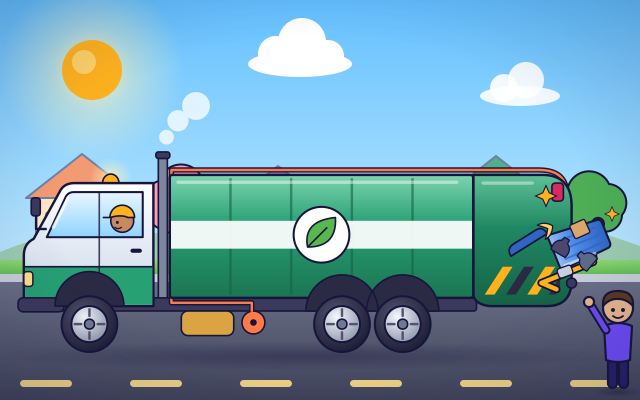
How much air is in the trash?
Grades 1–5
Fill a box loosely with crumpled paper and count the balls. Then press them down hard with your hands and add more until it is full again. How many more fit? You just did what the packer blade does.
Why it works: How do garbage trucks collect and compact waste?
Living things and your body
Watch fallen leaves break down, and test your own fingerprints, muscles and memory.
-
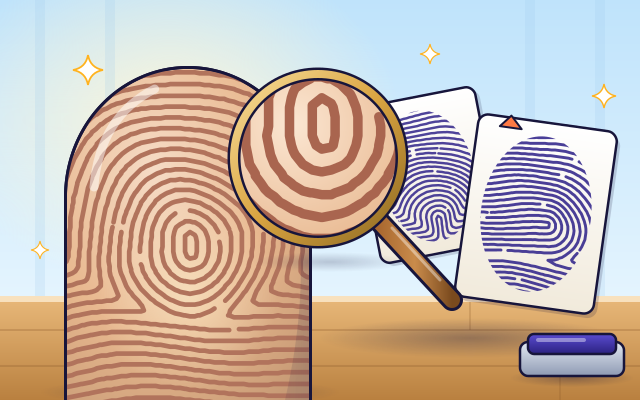
Fingerprint detective
Grades 1–5
With a grown-up, scribble a dark patch with a soft pencil, rub a fingertip on it, press the finger onto clear sticky tape, and stick the tape on white paper. Do all ten fingers. Sort your prints into arches, loops and whorls. Which do you have most of?
Why it works: How do fingerprints form? -

Cram or practice a little each day?
Grades 1–5
Ask a grown-up to write two lists of eight words. Study list A for five minutes today only. Study list B for one minute a day on five days. Test both lists a week later. Which do you remember better?
Why it works: How does the brain form memories? -
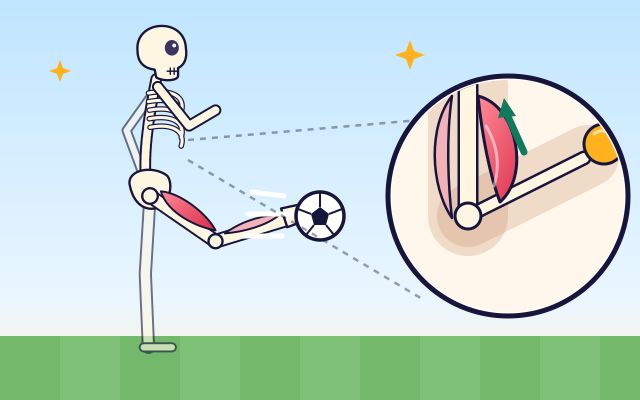
Feel your muscles work
Grades 1–5
With a grown-up, put one hand on the front of your upper arm and one on the back. Bend and straighten your arm. Which muscle gets hard when you bend? Which when you straighten?
Why it works: How do bones, muscles, and joints help us move? -
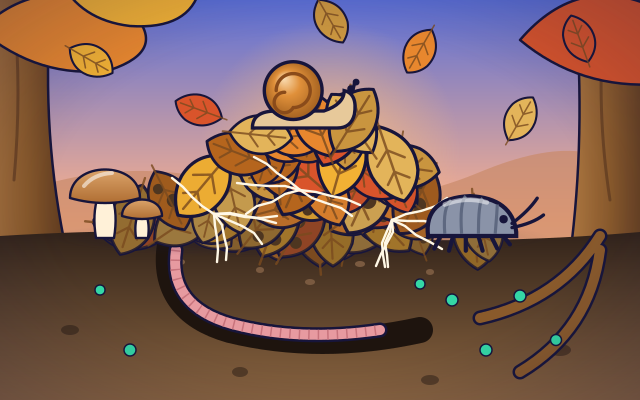
The fallen leaf race
Grades 1–5
With a grown-up, put the same number of damp fallen leaves into two mesh bags (an onion bag works well). Lay one on bare soil under a bush and keep the other dry indoors. Every two weeks, look at both and draw what you see. Which leaves change first? Wash your hands after touching leaves and soil.
Why it works: How do decomposers break down fallen leaves?
Light, sound and materials
Shadows, notes from bottles, and what pencils and crayons are made of.
-
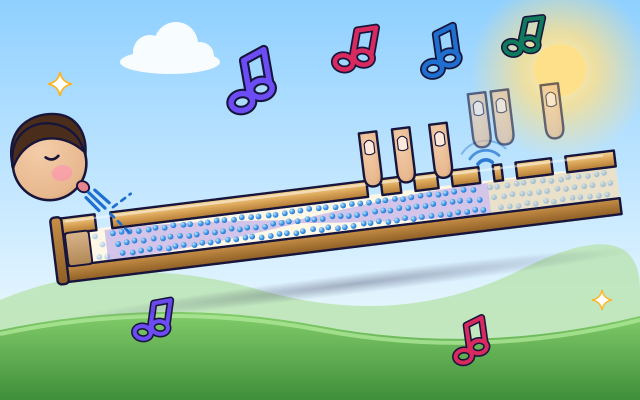
Bottle music
Grades 1–5
Line up four identical bottles and fill them with different amounts of water. Blow across the top of each one. Put them in order from the lowest note to the highest. Which has the longest column of air?
Why it works: How do flutes produce different notes? -

Shadow sorting
Grades 1–5
Make shadow pictures. In a dark room, shine a flashlight at a wall and hold different things in the beam: tissue paper, a leaf, a plastic cup, a book, a spoon. Which make dark shadows and which make pale ones? Sort them from most see-through to least. X-rays sort materials in the same way, only with a much more piercing light.
Why it works: How do X-ray machines look inside objects? -
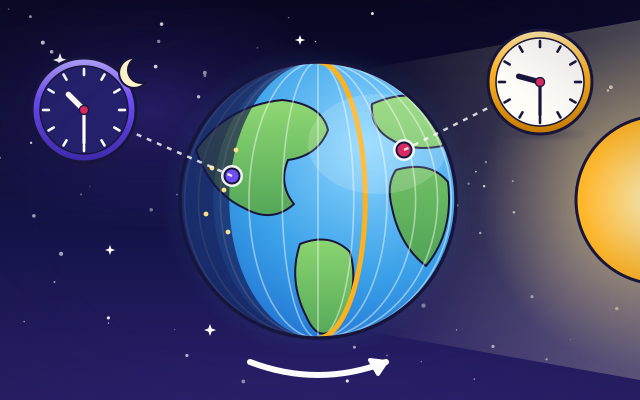
Day and night with a flashlight
Grades 1–5
Stick two small stickers on a ball or an orange, far apart. In a dim room, shine a flashlight on it and turn it slowly toward the east. Which sticker meets the light first? For which is it noon, and for which is it night?
Why it works: How do time zones work? -
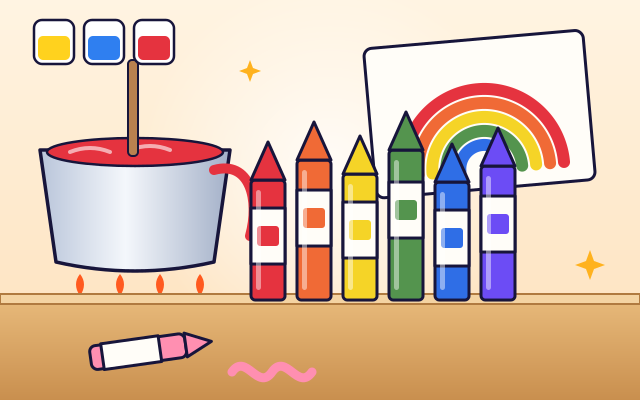
Crayon color mixing
Grades 1–5
Make a color-mixing chart: draw a grid, color each square with one crayon, then layer a second color on top. Which pairs make orange, green and purple? Try adding a white crayon on top to make tints.
Why it works: How are crayons made? -

Which pencil is darkest?
Grades 1–5
If you have pencils with different letters (like 2H, HB and 2B), draw a box with each one, pressing the same way. Which is darkest? Then rub each box gently with your finger. Which smudges most?
Why it works: How are pencils made? -
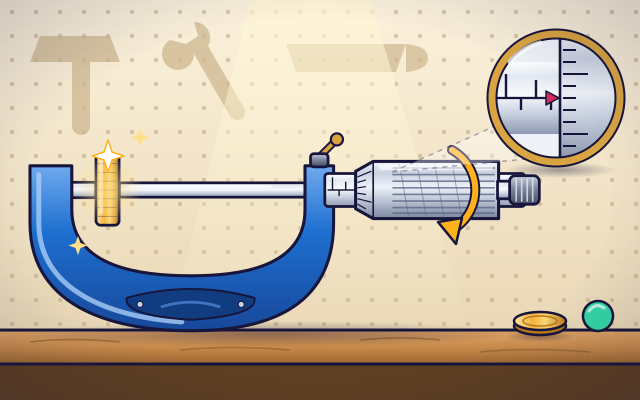
Measure one sheet of paper
Grades 1–5
Measure a stack of 100 sheets of paper with a ruler, then divide by 100 to find the thickness of one sheet. Why does stacking help?
Why it works: How does a micrometer measure tiny differences?